If you’ve ever rolled up to a busy intersection and felt your brain go blank, you’re not alone. That’s exactly why this road signs guide for beginners exists. Road signs and signals are like the road’s “language.” Once you learn the basics, everything feels less scary. Plus, you’ll make safer choices because you’ll know what’s coming next. So, let’s keep it simple, clear, and practical—just like a good drive should be.
Road Signs Guide for Beginners: Start with Shapes and Colors
Think of signs as quick pictures that tell you what to do. Learn the “shape + color” clues, because they help you understand a sign even before you read it. For example, an octagon almost always means STOP. A triangle often means YIELD. That’s helpful when it’s raining, dark, or you’re nervous.
Also, colors matter. Red usually means “stop” or “don’t.” Yellow is a warning. Green guides you. Blue gives services like gas or hospitals. Meanwhile, orange often means road work, so you should slow down. Once you lock these in, reading signs gets much easier.
Warning Signs: The Ones That Say “Heads Up”
Warning signs help you prepare for what’s coming. As a result, they save you from sudden braking and quick turns. Most of the time, they’re yellow with black symbols. They’re basically the road’s way of saying, “Be ready.”
You’ll see warnings for curves, hills, slippery roads, and animal crossings in the road signs guide for beginners. Even though they feel simple, they matter a lot to new drivers. In fact, many small crashes happen because someone didn’t expect a change.
Here are a few you’ll see often:
- Sharp curve ahead
- Merge lane
- Pedestrian crossing
- School zone
If you spot these early, you’ll feel more in control. Therefore, you’ll drive smoothly and safely.
Regulatory Signs: The Rules You Must Follow
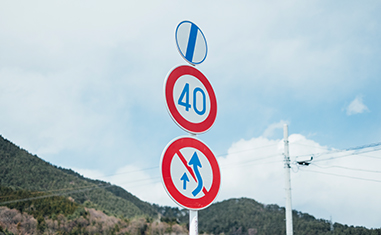
Regulatory signs are not suggestions. They’re the rules. Because of that, they’re the signs that can get you a ticket if you ignore them. Most of the time, they’re red, white, or black. These include speed limits, “Do Not Enter,” “One Way,” and “No Turn on Red.” Sometimes, the rule is temporary too—like a “No Parking” sign during certain hours. So, always look for extra details under the main sign.
If you’re a new driver, this is where learner driver road signs become really important. You may be driving slowly (which is fine), but you still must follow the rules like everyone else. That’s why practicing these signs on real streets is very helpful.
Guide Signs: Finding Your Way Without Panic
Guide signs help you get where you’re going. They don’t usually tell you to stop or slow down. Instead, they give directions and helpful info. Most guide signs are green, although some service signs are blue. For example, you might see a sign that says “Exit 1 mile,” or one that points toward the next city. At first, these can feel like “too much information.” However, once you learn to scan calmly, they’re easy.
A simple trick: look for the big word first, then the arrow, then the smaller details. That’s basically how to read road signs without feeling overwhelmed. Also, if you miss an exit, it’s okay. You can take the next one. No stress.
Road Markings: The Lines That Quietly Boss You Around
Road markings are like silent signs painted on the road. They matter just as much as the signs on posts. For example, a solid line often means “don’t cross,” while a dashed line usually means you can change lanes when safe.
Also, colors matter here, too. Yellow lines usually separate traffic going in opposite directions—white lines separate lanes going in the same direction. Meanwhile, crosswalk stripes and stop lines tell you where to pause.
Quick markings to remember:
- Solid white line: stay in your lane
- Dashed white line: lane change allowed (when safe)
- Solid yellow line: don’t pass
- Double yellow lines: stay on your side
Once you notice these, driving starts to feel like a clear set of steps.
Traffic Signals Made Easy
Lights can feel stressful at first, especially when cars are behind you. Still, signals are predictable. They follow patterns so that you can learn them quickly. This is the heart of understanding traffic signals—knowing what each light means and what you should do next.
Green means go, but only if the way is clear. Yellow means the light is about to change, so slow down and prepare to stop. Red means stop. Also, arrows matter. A green arrow means you can go that direction. A yellow arrow means it’s about to change. A red arrow means wait.
Here’s a short comparison table to make it super clear:
| Signal Type | What It Means | What You Should Do |
| Solid Green | Traffic may proceed | Go if clear |
| Solid Yellow | Light is ending | Slow and stop if safe |
| Solid Red | Full stop required | Stop and wait |
| Green Arrow | Protected turn | Turn in the arrow direction |
| Flashing Yellow | Caution | Proceed carefully |
In real life, it helps to say the rule in your head. For example: “Yellow means prepare.” That keeps you calm.
Common Beginner Mistakes
New drivers make mistakes. That’s normal. However, the goal is to notice them early and fix them fast. One common mistake is staring at a sign too long. Instead, see, understand, and look back to the road. Another mistake is rushing through yellow lights because of pressure from cars behind you. In fact, that pressure leads to many panicked decisions.
Here are a few mistakes to watch for:
- Rolling through stop signs
- Forgetting to yield when turning
- Missing speed limit changes
- Confusing “merge” with “yield.”
A helpful fix is practice with a calm coach. If you’re local, private driving lessons Lynn MA, can be a simple way to get real-road practice without feeling judged. As a result, you build confidence faster.
Which Road Signs Should Beginners Know First?
Start with the signs that protect you from the biggest risks. Learn STOP, YIELD, speed limits, and “Do Not Enter.” Then, add school zones, pedestrian crossings, and merge signs. After that, work on one-way streets and “no turn” rules, since those can be tricky in busy areas.
Also, try learning in small groups. For example, study five signs a day. Then, look for them while someone else drives. That way, you connect the sign to a real place. Therefore, it sticks in your memory better. If you’re taking driving classes in Lynn MA, ask your instructor to quiz you during calm parts of the drive, like quiet neighborhoods.
How Do I Remember Traffic Signals?
Use simple patterns and real-life habits. For example, think:
- Green = go (if clear)
- Yellow = prepare
- Red = stop
Then practice calling out the color (even softly) as you approach an intersection. This keeps your mind focused, especially when you’re nervous.
Also, connect signals to “what happens next.” Yellow usually means the light is about to turn red. So, your next action is to slow down. Meanwhile, a green arrow means you can turn without guessing. With repetition, it becomes automatic—like tying your shoes. Ready to drive with confidence? If you want friendly help learning signs and signals in real traffic, book a lesson with Number one Gadaa Driving School today and start feeling comfortable behind the wheel.
FAQs
Q1: Which road signs should beginners know first?
Start with STOP, YIELD, speed limit signs, “Do Not Enter,” school zones, and pedestrian crossings. These show up often and keep you safe fast.
Q2: How do I remember traffic signals?
Repeat a simple rule: green = go if clear, yellow = prepare, red = stop. Then, practice on quiet roads until it feels natural.
Q3: What should I do if I miss a sign?
Stay calm. Don’t slam the brakes. Instead, keep going safely, then adjust at the next safe spot—like the next turn or the next exit.